
Oil Hits $118 as Middle East War Risk Spreads Beyond Iran
Energy markets signal deeper crisis as regional conflict threatens global supply chains and forces Fed policy rethink
PARIS — Oil prices just broke $118 — and this time, it's not about the market. It's about a chokepoint that controls the global economy.
What's happening
• Crude futures jumped 12% in three trading sessions
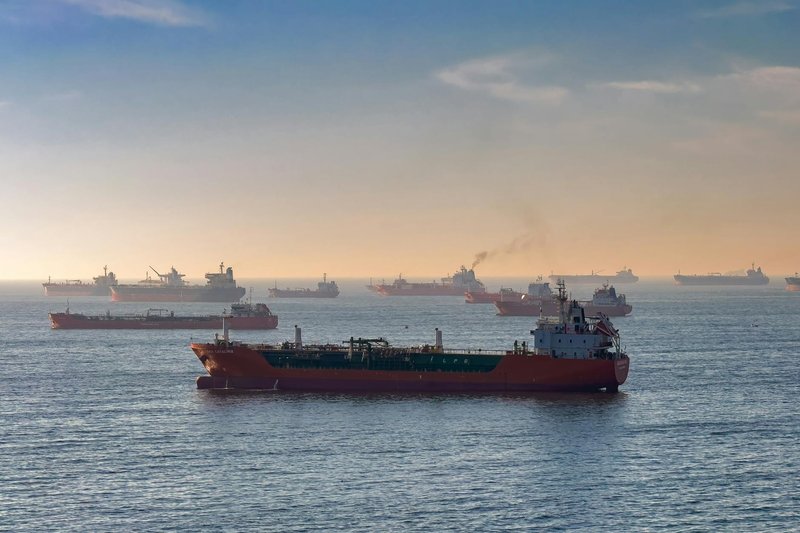
• Key Middle East shipping lanes face disruption threats
• Energy traders positioning for extended regional conflict
Why it matters
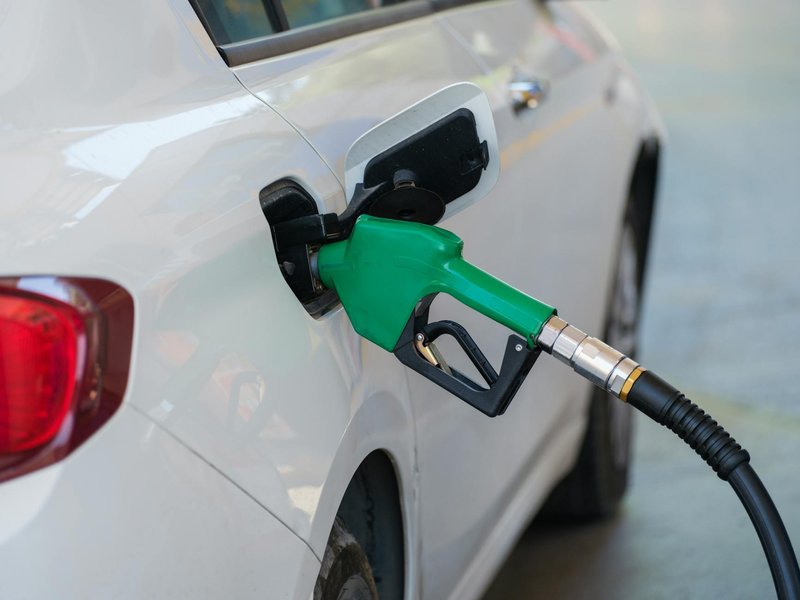
• Gasoline prices could hit $4.50 across Europe within weeks
• Central banks may delay rate cuts to combat energy-driven inflation
• Supply chain costs rising across manufacturing sectors
⬇ Full breakdown below
The speed of this energy shock has caught policymakers off guard. Unlike previous oil crises that built over months, this surge reflects how quickly modern conflicts can cascade through interconnected global systems.
Markets aren't reacting. They're panicking.
What's Behind the Surge
The current spike goes beyond typical geopolitical risk premiums. Energy analysts point to three converging factors: physical supply threats, financial market positioning, and what traders call "systemic fragility" in global energy networks.
"We're seeing institutional investors hedge against scenarios that seemed impossible six months ago," said Elena Rodriguez, senior commodities strategist at Deutsche Bank. "The market is pricing in supply disruptions that could last quarters, not weeks."
Here's what most people are missing: this isn't just about oil production. It's about the infrastructure that moves energy around the world — pipelines, shipping routes, and processing facilities that have become increasingly vulnerable to regional conflicts.
The Fed's Impossible Choice
Energy-driven inflation creates a policy nightmare for central banks. Higher oil prices act like a tax on consumers while simultaneously threatening economic growth — the dreaded stagflation scenario that dominated the 1970s.
The Federal Reserve, which had signaled potential rate cuts later this year, now faces pressure to maintain hawkish policies to prevent energy costs from becoming embedded in broader price expectations.
"Central banks are caught between containing inflation and supporting growth," said former Treasury official Michael Chen, now at the Peterson Institute. "There's no good answer when energy becomes a weapon."
This is where it gets dangerous: if energy prices stay elevated, consumer spending will crater just as businesses face higher input costs.
Supply Chain Ripple Effects
Beyond gasoline and heating bills, energy costs permeate every sector of the economy. Manufacturing companies report shipping costs up 30% in the past month alone, while airlines face fuel expenses that could force route cancellations.
The automotive industry, still recovering from pandemic disruptions, now confronts a double hit: higher production costs and reduced consumer purchasing power.
Food prices represent perhaps the most concerning transmission mechanism. Agricultural commodities require energy-intensive production, processing, and transportation — costs that flow directly to grocery shelves within weeks.
What Comes Next
Energy markets remain in crisis mode, with traders positioning for scenarios that seemed unthinkable months ago. The key question isn't whether prices will stay high — it's whether the global economy can absorb sustained energy shocks without triggering recession.
Governments across Europe are already discussing emergency measures, including strategic petroleum reserve releases and subsidies for vulnerable households.
But here's the catch: these interventions only work if the underlying crisis remains contained.
If regional conflicts expand or critical infrastructure faces direct threats, energy prices could surge beyond levels that fiscal policy can address. And at that point, this won't stay an energy crisis — it becomes a global economic crisis with stakes that extend far beyond quarterly earnings reports.

Discussion