
China's tanker breaks Trump blockade, tests Iran lifeline
Rich Starry slips through Strait of Hormuz with Iranian methanol as Beijing weighs $10-per-barrel hit against strategic alliance
BEIJING — The Rich Starry made it through.
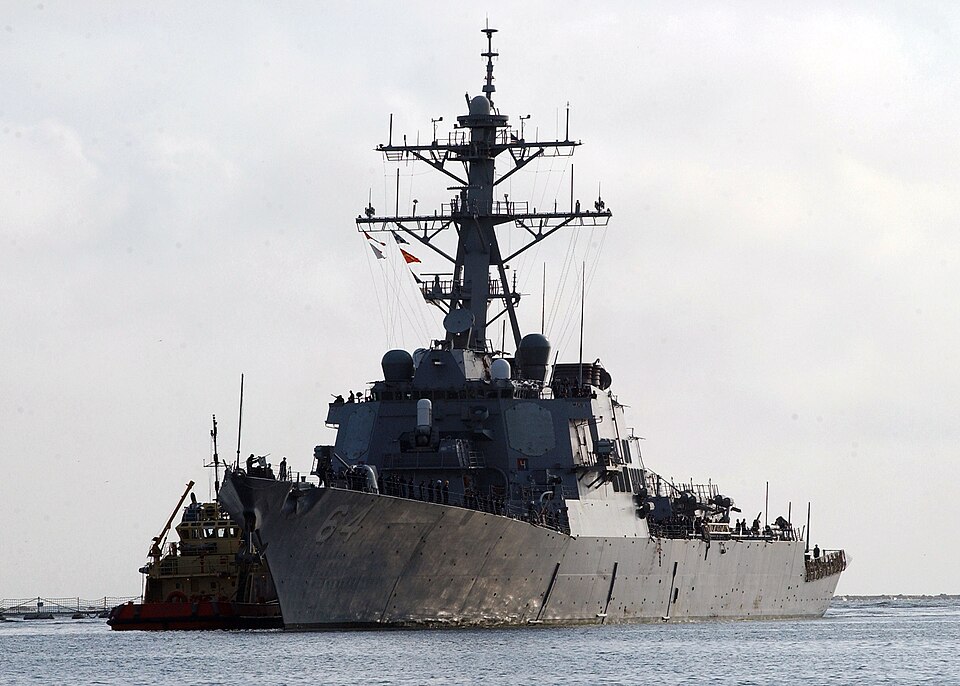
The Chinese-owned tanker slipped past U.S. warships in the Strait of Hormuz early Monday, carrying 250,000 barrels of Iranian methanol under a Malawian flag. First successful breach of Trump's naval blockade. It happened within hours of the cordon taking effect.
That single vessel tells Beijing's story better than any diplomatic cable. China isn't backing down. Not yet.
The numbers driving decisions
Chinese refineries burned through 1.38 million barrels of Iranian crude daily in 2025. That's 91% of Iran's total exports. A decade of sanctions carved away every other buyer until only Beijing remained.
Now Trump's three carrier strike groups are betting they can squeeze that lifeline shut. The math hurts both sides.
Iran needs $121 per barrel to balance its budget, according to IMF calculations. Chinese buyers pay around $60 after discount. Tehran was running deficits before the blockade began. The rial has collapsed 15% in four weeks.
But China's independent refineries — concentrated in Shandong province — depend on those below-market prices. Replacement crude costs $10 to $12 more per barrel. That gap adds up fast when you're processing 1.4 million barrels daily.
"Beijing can absorb the financial hit," said Sarah Chen, energy analyst at the Peterson Institute. "The question is political. How long before the economic pain outweighs the strategic benefit of keeping Iran afloat?"
Xi's three bad options
China can run the blockade systematically, daring U.S. destroyers to board Chinese-flagged vessels. That risks military escalation nobody wants. Oil futures would spike past $150. Shanghai's stock market would crater.
Beijing can replace Iranian barrels with Russian crude. Moscow has ramped up deliveries since the blockade began, but the logistics are brutal. Pipeline capacity is maxed. Russian tankers are already dodging their own sanctions web.
Real cost there.
Or China can use its leverage as Iran's only meaningful customer to push Tehran toward a deal. That's the option keeping Trump's advisers optimistic.
"Iran will ignore American threats," said one senior Pentagon official, speaking on condition of anonymity. "But when Beijing calls and says take the terms, that's different math."
Where the pressure builds
China's stockpiles can cushion the blow for now. Beijing built strategic petroleum reserves specifically for supply disruptions. Current levels hover around 90 days of consumption, according to energy consultancy Wood Mackenzie.
But stockpiles are for emergencies, not sustained operations. Drawing them down sends price signals through global markets. Every barrel released is one less available for the next crisis.
Shandong's independent refineries are already feeling the squeeze. These smaller operators — known as "teapots" — process 90% of Iranian crude reaching China. They lack the scale and financial cushion of state-owned giants like Sinopec.
"The teapots are price-sensitive," said Li Wei, Shanghai-based oil trader. "They can't absorb $10-per-barrel premiums for long. Some will shut down within weeks."
That creates domestic pressure Xi can't ignore. Refinery closures mean job losses in a province with 100 million people. Regional party bosses will push back hard.
Six days to decide
Trump's ceasefire with Iran expires April 21. That's the deadline driving calculations in Beijing and Tehran.
Iran's Supreme Leader Mojtaba Khamenei has shown no public inclination to negotiate. But his father's death in February strikes left the regime's finances in shambles. Oil revenue funds 45% of government operations. Those operations include paying Revolutionary Guards units that keep the regime in power.
China holds the key to both timelines. Beijing can keep Iranian crude flowing through creative shipping arrangements — more vessels like the Rich Starry, more flag-switching, more AIS spoofing. That buys Tehran time to rebuild after the strikes.
Or China can quietly reduce purchases, citing "market conditions" and "logistics challenges." That forces Iran to the table faster than any U.S. ultimatum.
What's next matters more
The Rich Starry's successful run proves the blockade isn't airtight. But it doesn't need to be. The U.S. Navy needs to make continuing the trade more expensive than stopping it.
Every tanker that turns back is a signal to Beijing. Every barrel that doesn't reach Shandong is pressure on Xi's domestic coalition.
The next test comes Thursday, when three more Chinese-owned vessels are scheduled to transit the strait. Their AIS transponders went dark 48 hours ago.
Iran's oil minister meets his Chinese counterpart in Dubai on Friday. That conversation will matter more than anything happening in Washington or Tehran.
Discussion